Bound Angle Namaste Mudra For Prenatal Yoga
[br]
Bound Angle Namaste Mudra is one of hundreds of exercises in the Online Pregnancy Lesson Planner.
It is a pose with a very serene name, which is slightly unfair because pregnant women do not always arrive feeling serene. Sometimes they arrive feeling magnificent. Sometimes they arrive feeling puffy, lopsided, and mildly suspicious of their own socks. Bound Angle Namaste Mudra is there for all of it. It is a gentle, grounded pose that opens the hips, creates a little more room through the body, and invites a softer kind of strength. Baby may be especially pleased, because this pose tends to feel spacious, steady, and gloriously unhurried.
[br]
Why Teach Bound Angle Namaste Mudra in Prenatal Yoga?
[br]
This pose is wonderfully suited to prenatal yoga because it combines support, softness, and a sense of quiet opening. It can help students release the inner thighs, soften into the hips, and sit more comfortably with an upright spine. During pregnancy, when the body is constantly changing shape and centre, a pose like this can feel like an intelligent little exhale.
Done well, it can help students feel grounded and open at the same time, which is no small achievement. It is not dramatic. It is not flashy. It is simply kind. And kindness, in prenatal yoga, does a great deal of heavy lifting.
And baby? Baby gets a calm seat, a softer breath, and a mother who is no longer trying to force herself into something heroic. Baby is usually very much in favour of that sort of thing.
[br]
How to Teach Bound Angle Namaste Mudra for Prenatal Yoga
[br]
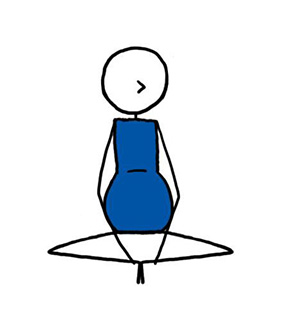
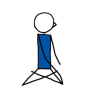
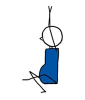
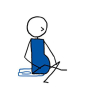
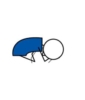
Sit in a comfortable seated position with plenty of space for the belly. Bring soles of the feet together and let knees open out to the sides. Sit up on a cushion if that helps the pelvis tilt forward more easily. Lengthen through the spine without forcing the lower back. Bring hands together at the heart in Namaste Mudra and breathe softly.
[br]
Teaching Tips for Prenatal Bound Angle Namaste Mudra
[br]
Prenatal Bound Angle Namaste Mudra works best when it feels supported rather than worthy. The aim is not to pin the knees to the floor and sit there looking spiritually accomplished. The aim is to feel lifted through the spine, soft through the hips, and comfortable enough to breathe without grim determination.
Useful reminders:
sit on support to create more space for the belly
allow the knees to stay higher if needed
support the thighs if the hips feel tight
keep the spine long without forcing a big arch
let the hands rest at the heart softly
avoid folding forward unless it feels spacious and easy
Think less “perfect yogi in a mystical painting” and more “wise pregnant woman sitting comfortably and minding her own lovely business.”
[br]
10 Beginner Modifications For Prenatal Bound Angle Namaste Mudra
[br]
Beginner 1: Sit on a folded blanket or cushion to help knees soften down.
Beginner 2: Place blocks or cushions under both thighs for support.
Beginner 3: Move the feet further away from the pelvis for less intensity.
Beginner 4: Sit with the back lightly against a wall for support.
Beginner 5: Keep hands resting on thighs instead of in prayer.
Beginner 6: Hold the pose for just a few soft breaths.
Beginner 7: Keep the knees higher and avoid pressing them down.
Beginner 8: Sit on a chair and bring soles together underneath if floor sitting feels awkward.
Beginner 9: Place one hand on the belly and one at the heart.
Beginner 10: Widen the feet slightly if that feels more comfortable for the pelvis.
[br]
10 Intermediate Modifications Prenatal Bound Angle Namaste Mudra
[br]
Intermediate 1: Place blocks or cushions under the thighs for extra support.
Intermediate 2: Bring hands to Namaste Mudra and sit tall for three to five breaths.
Intermediate 3: Hold the feet gently while keeping the chest lifted.
Intermediate 4: Draw the heels a little closer if the hips feel open enough.
Intermediate 5: Add a soft lift through the sternum without tensing the ribs.
Intermediate 6: Stay steady and breathe into the inner thighs and pelvic space.
Intermediate 7: Sit away from the wall and support the spine actively.
Intermediate 8: Practise a tiny forward tilt from the pelvis without rounding the back.
Intermediate 9: Keep the jaw soft and shoulders relaxed as you hold the shape.
Intermediate 10: Stay in the pose a little longer with calm, even breathing.
[br]
10 Advanced Modifications Prenatal Bound Angle Namaste Mudra
[br]
Advanced 1: Hold the feet and add a gentle forward tilt with plenty of belly space.
Advanced 2: Stay upright in the pose for five to eight steady breaths.
Advanced 3: Draw the heels slightly closer while keeping the pelvis comfortable.
Advanced 4: Hinge forward a small amount from the hips without collapsing the chest.
Advanced 5: Keep Namaste Mudra at the heart while maintaining a tall spine.
Advanced 6: Add a soft upward lift through the breastbone as the thighs release.
Advanced 7: Alternate between upright sitting and a tiny forward tilt.
Advanced 8: Rest the elbows lightly toward the inner legs without pressing.
Advanced 9: Stay longer in stillness and observe the breath through the belly and ribs.
Advanced 10: Practise the pose with less support if the body feels spacious and steady.
[br]
A Few Lovely Things to Say in Class
[br]
Sometimes a pose lands better when it is wrapped in kinder words.
You might say:
[br]
“Make space for the baby and soften the hips.”
[br]
“Let the knees be heavy, but not forced.”
[br]
“Sit tall as though the heart has a little more room.”
[br]
“Bring the hands together gently, not dramatically.”
[br]
“Let this feel like a quiet opening, not a performance.”
[br]
That last one is worth remembering. Most babies are not grading the depth of hip opening. They are much more likely to enjoy a mother who is breathing calmly, sitting comfortably, and not wrestling her own inner thighs into submission.
[br]
Conclusion: Soft Hips, Quiet Heart
[br]
Bound Angle Namaste Mudra for prenatal yoga is simple, grounded, and deeply useful. It offers a gentle opening through the hips, a steady seat for the breath, and a moment of calm in a body doing extraordinary work. Some days it will feel soft and spacious. Other days it may feel like sitting upright is quite enough spiritual achievement for one afternoon. Both are entirely respectable.
The beauty of prenatal yoga is that the pose can meet the mother exactly where she is. More support, less support, higher knees, softer breath, all of it allowed. And when it is taught that way, Bound Angle Namaste Mudra becomes less about the shape and more about the feeling: openness without force, steadiness without strain, and kindness without fuss.
For access to hundreds more pregnancy-safe exercises, teaching ideas, and class-planning resources, explore the Online Pregnancy Lesson Planner.