Ankle Crank
| Sanskrit Name: | Goolf Ghoornan |
|---|---|
| Category: | Seated & Floor |
| Share on: |
|


 Yoga Lesson Planner
 Pilates Lesson Planner
| Category: | Pregnancy Lesson Planner |
|---|---|
| Sub Category: | Seated & Floor |
| Types: | Hip Opener, Pawanmuktasa, Seated, Seated & Floor, Stretch |
| Anatomy: | Hips |
| Chakras: | Base |
| Therapy: | Leg Congestion |
| Drishti: | Tip Of Nose |
| Dosha: | Kapha, Pitta |
| Meridian Lines: | Spleen, Stomach |
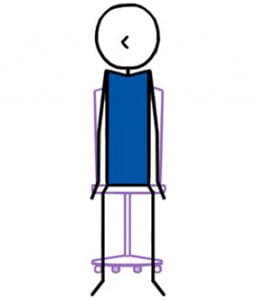
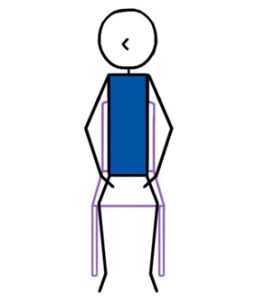
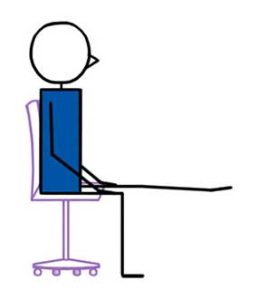
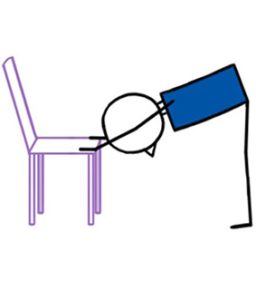
Sit in a comfortable seated position with plenty of space for the belly. Rest one foot above the opposite knee. Hold the toes with one hand and support the ankle with the other. Circle the ankle slowly in both directions, keeping the movement soft and easy. Repeat on the other side.
Relieve ankle and foot stiffness. Encourage circulation through lower legs and feet. Support mobility in joints that can feel heavy during pregnancy. Create a small moment of ease for the whole lower body.
Beginner: Keep foot lower on opposite shin instead of above the knee. Intermediate: Sit on a folded blanket or cushion to lift hips. Advanced: Extend lower leg forward while circling the raised ankle.
Sit on enough support to make space for belly. Keep movement slow and gentle. Avoid pose if crossing leg causes knee, hip, pelvic, or lower back discomfort.
Click here for lots of FREE downloadable Yoga lesson plans.
Click here for lots of FREE downloadable Pilates lesson plans.
- PreNatal/Post Partum Class
- Ask Genie1
- Pregnancy plan 6/6
- Pulsenation
- Prenatal yoga
- Prenatal Lesson 1
- Plan for third trimester
- Ask Genie3
- Prenatal yoga for Therese
- pregnancy 2 of 6 spring term
- Pregnancy plan 6/6
- Lesson week 2
- PreNatal/Post Partum Class
- Pregnancy plan
- March 29 :: Prenatal/PP
- Easter plan pregnancy
- April 5 | About Families
- pregnancy yoga
- Prenatal
- Ask Genie1
- pregnancy seated and floor
- prenatal whole body
- Pregnancy week 1
- JY - Yoga for Pregnancy (SHOULDERS)
- Week 6, Session 2
- Ask Genie4
- Pregnancy Yoga For Trimesters 1, 2 and 3
- Ask Genie 3
- Basic Prenatal
- Pregnancy Yoga For Trimesters 1, 2 and 3
- Pregnancy Yoga For Trimesters 1, 2 and 3
- Basic Prenatal
- Pregnancy Yoga For Trimesters 1, 2 and 3 wyers
- Ask Genie 3
- Ask Genie 2
How to Teach Ankle Crank For Prenatal Yoga
Ankle Crank is one of hundreds of exercises in the Online Pregnancy Lesson Planner.
It is not a glamorous pose. Nobody has ever whispered, “Ah yes, the majestic ankle circle, queen of the yoga world.”
But during pregnancy, little practical things can feel surprisingly wonderful. Ankles and feet can become puffy, stiff, heavy, and generally a bit fed up. Ankle Crank is a small, sensible pose that helps bring a bit of movement and kindness to that overworked lower body. Baby may not be wildly impressed by your ankle artistry, but baby may very much appreciate a calmer, more comfortable mother.
Why Teach Ankle Crank in Prenatal Yoga?
Ankle Crank is simple, but it earns its place. During pregnancy, the lower legs and feet can feel heavy, tight, and slightly mutinous. A gentle ankle movement like this can help restore a bit of mobility, encourage circulation, and bring awareness back into the feet and lower legs.
Done well, it can feel soothing rather than strenuous. It is also a lovely reminder that prenatal yoga does not always need to involve dramatic shapes and noble breathing in warrior poses. Sometimes it is just a woman sitting down and kindly rotating an ankle as though she has finally decided to be on her own side.
And baby? Baby gets a calm seated moment, a softer nervous system, and a mother doing the noble work of looking after the bits that have been carrying extra weight all day.
How to Teach Ankle Crank for Prenatal Yoga
Sit in a comfortable seated position with plenty of space for the belly. Rest one foot above the opposite knee. Hold the toes with one hand and support the ankle with the other. Circle the ankle slowly in both directions, keeping the movement soft and easy. Repeat on the other side.
Teaching Tips for Prenatal Ankle Crank
Prenatal Ankle Crank works best when it feels easy and unhurried. The aim is not to wrench the foot into some heroic range of motion. The aim is to create gentle movement, a bit more circulation, and a small pocket of relief for the feet and ankles.
Useful reminders:
sit on support if that helps create space for the belly
keep the ankle circles slow and smooth
support the ankle as you move it
keep shoulders relaxed and jaw soft
avoid forcing the leg into an uncomfortable cross-legged shape
repeat on both sides evenly
Think less “advanced yoga accomplishment” and more “sensible woman giving her ankles the attention they deserve.”
10 Beginner Modifications For Prenatal Ankle Crank
Beginner 1: Keep the foot lower on the opposite shin instead of above the knee.
Beginner 2: Sit on a chair and cross the ankle lower for more comfort.
Beginner 3: Sit on a folded blanket or cushion to lift the hips.
Beginner 4: Keep one hand behind the body for extra support.
Beginner 5: Make the ankle circles small and slow.
Beginner 6: Support the raised leg with a cushion underneath.
Beginner 7: Sit with the back against a wall for comfort.
Beginner 8: Pause between each direction change.
Beginner 9: Keep the lower leg extended instead of bent if needed.
Beginner 10: Practise for just a few circles on each side.
10 Intermediate Modifications Prenatal Ankle Crank
Intermediate 1: Sit on a folded blanket or cushion to lift the hips.
Intermediate 2: Circle the ankle ten times in each direction with steady breath.
Intermediate 3: Extend the lower leg forward while circling the raised ankle.
Intermediate 4: Flex and point the foot between circles.
Intermediate 5: Keep the spine tall and chest soft as you move.
Intermediate 6: Support the ankle and toes with both hands for a smoother motion.
Intermediate 7: Slow the movement down and notice the full circle.
Intermediate 8: Sit in a wide-legged seat to create more belly space.
Intermediate 9: Pause after each round and soften the foot.
Intermediate 10: Repeat the movement with calm, even breathing.
10 Advanced Modifications Prenatal Ankle Crank
Advanced 1: Extend the lower leg forward while circling the raised ankle.
Advanced 2: Hold the raised leg without extra support while keeping the spine long.
Advanced 3: Add a gentle flex-and-point between each ankle circle.
Advanced 4: Circle the ankle slowly with a slightly larger range of movement.
Advanced 5: Keep the belly spacious while sitting tall without leaning back.
Advanced 6: Alternate between circling and pausing to feel the effects.
Advanced 7: Practise with the lower leg extended and active.
Advanced 8: Add a second round of circles on each side if comfortable.
Advanced 9: Keep the movement slow and controlled without gripping the shoulders.
Advanced 10: Stay steady through the torso while the ankle moves freely.
A Few Lovely Things to Say in Class
Sometimes a pose lands better when it is wrapped in kinder words.
You might say:
“Let the movement be small, soft, and easy.”
“Create space for the belly and relax the shoulders.”
“Circle the ankle as though you are smoothing out stiffness.”
“Let the foot soften as it moves.”
“Sometimes the smallest movements bring the sweetest relief.”
That last one is worth remembering. Most babies are not expecting an impressive yoga performance. They are much more likely to enjoy a mother who is comfortable, breathing well, and no longer glaring at her ankles as though they have personally betrayed her.
Conclusion: A Little Relief Goes a Long Way
Ankle Crank for prenatal yoga is small, simple, and surprisingly useful.
It helps bring movement to ankles and feet that may feel heavy or stiff, and it offers a quiet reminder that prenatal yoga can be deeply supportive without being dramatic. Some days the most helpful pose in the room is not the grand one. It is the one that brings a little ease where ease is badly needed.
The beauty of prenatal yoga is that it makes room for these practical moments. A few gentle circles, a calmer breath, and a body that feels slightly more looked after. That is no small thing. For access to hundreds more pregnancy-safe exercises, teaching ideas, and class-planning resources, explore the Online Pregnancy Lesson Planner.